IN-DATE
Table of Contents
Main Surgical Mesh Types
Most surgical mesh falls into a few core categories, but in practice, procurement decisions come down to how these products are used and how often they’re needed.
Polypropylene (PP) Flat Sheet Mesh
According to the U.S. Food and Drug Administration (FDA), polypropylene mesh is the most widely used type of surgical mesh.
It is:
- non-absorbable
- strong and durable
- designed for long-term reinforcement
Flat sheet mesh is especially valuable because it can be cut and shaped during surgery, allowing one product to be used across multiple procedures.
In practice, this makes it the foundation of most mesh inventory.
Common SKUs include:
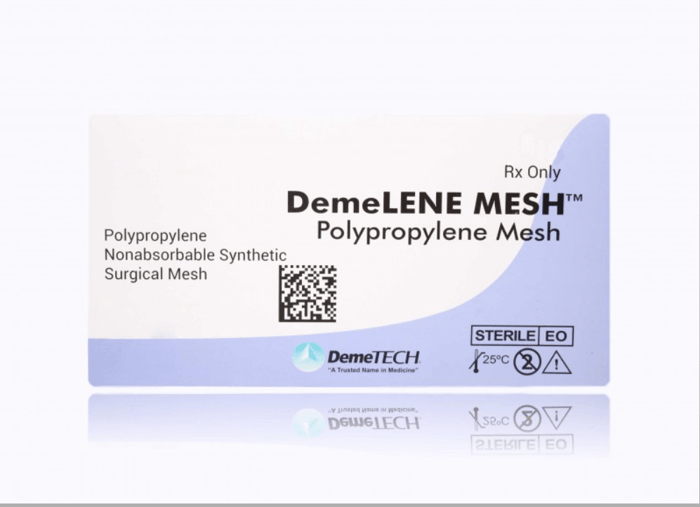
- DemeTECH Polypropylene Mesh 8" x 8" (DPM20X20) — a versatile, general-purpose size
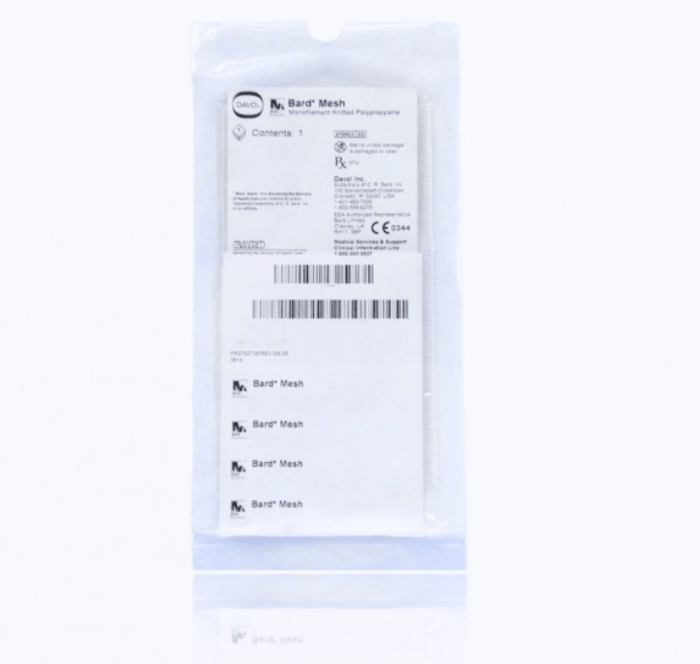
- Bard Polypropylene Mesh 6" x 6" (0112720) — commonly used for mid-sized repairs
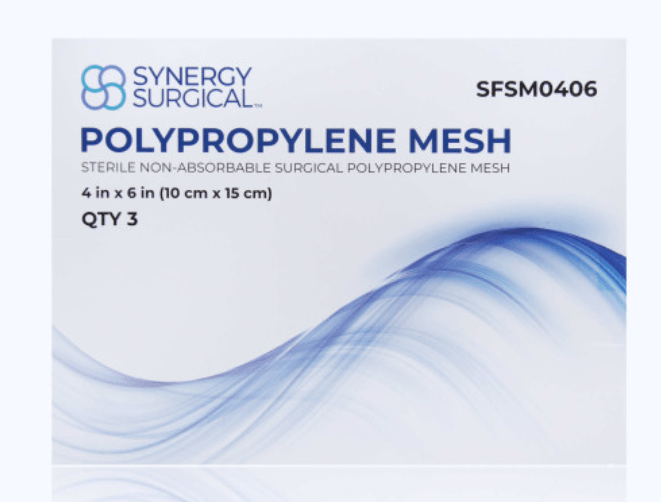
- FSM Polypropylene Flat Sheet Mesh for Hernia Repair, Non-Absorbable 4" x 6" - when a non-absorbable reinforcing material is required
Because of its flexibility and cost-effectiveness, polypropylene flat sheet mesh is typically used in:
- ventral hernia repair
- incisional hernia repair
- general soft tissue reinforcement
For procurement teams, this category usually accounts for the majority of usage and spend
Pre-Shaped Mesh (Plug & Patch)
Pre-shaped mesh systems are designed for speed and consistency.
Instead of cutting mesh during the procedure, these products come pre-formed to fit specific anatomical needs.
A common example is:
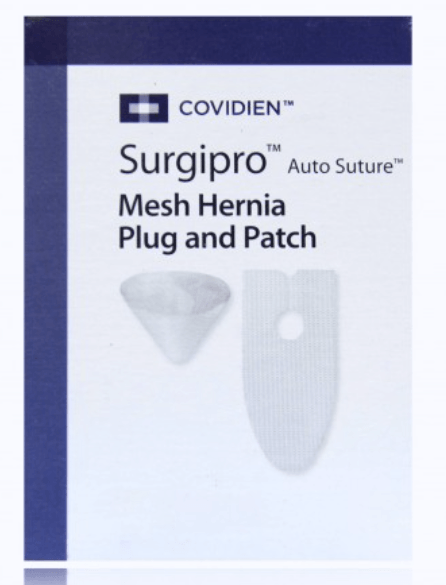
This type of mesh is most often used in:
- inguinal hernia repair
- high-volume surgical environments
The main advantage is efficiency. Procedures can be completed faster, and outcomes are more standardized.
The tradeoff is flexibility. These products are designed for specific use cases and are not easily adapted outside of them.
Composite Mesh
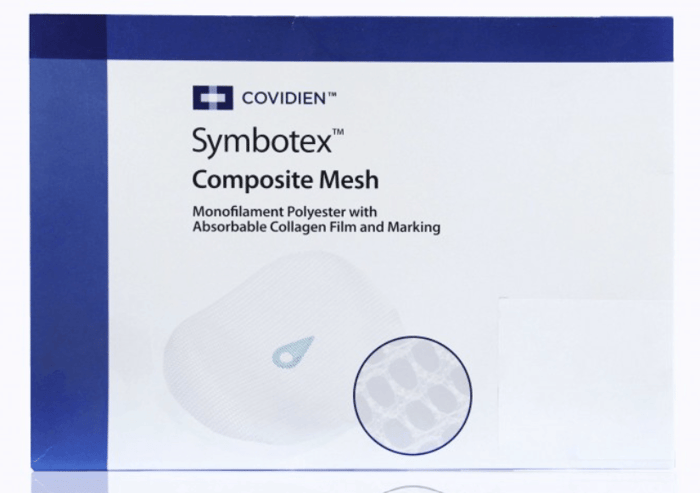
According to Drugwatch, composite mesh is often used when standard polypropylene mesh is not ideal, particularly in procedures where the mesh will be placed near internal organs.
These products combine:
- a structural layer for strength
- a barrier layer to reduce adhesion
They are commonly used in:
- laparoscopic ventral hernia repair
- intraperitoneal procedures
From a procurement standpoint, composite mesh is a specialty product. It is more expensive and used less frequently, but it is necessary for certain procedures.
Lightweight vs Heavyweight Mesh
Across many mesh types, there is also a distinction between lightweight and heavyweight designs.
Lightweight mesh:
- uses less material
- offers more flexibility
- may improve patient comfort
Heavyweight mesh:
- provides greater strength
- is more rigid
- may be used in higher-support scenarios
According to research published through the National Institutes of Health (NIH), many modern products are trending toward lightweight designs, balancing strength with improved outcomes.
Common Procedures
Surgical mesh is primarily used for soft tissue reinforcement, with the majority of applications centered around hernia repair and abdominal procedures.
Hernia repair
Hernia repair is the most common use case for surgical mesh.
In these procedures, tissue has weakened or separated, creating a defect that needs reinforcement. Mesh is placed over or within that defect to provide structural support and reduce the likelihood of recurrence.
Common types of hernias treated with mesh include:
- inguinal
- ventral
- incisional
The widespread use of mesh in hernia repair is largely due to its ability to provide consistent, long-term reinforcement, especially compared to suture-only techniques. The American College of Surgeons notes that it can help reduce hernia recurrence rates in many repair procedures.
Laparoscopic vs Open Procedures
The surgical approach plays a major role in how mesh is selected and used.
In laparoscopic procedures, mesh must be:
- flexible
- easy to position through small incisions
- compatible with minimally invasive techniques
In open procedures, surgeons have more direct access, which allows for:
- larger mesh placement
- more customization
- broader product selection
The key difference is how the mesh needs to behave during placement and after implantation.
Abdominal Wall Reconstruction
More complex procedures, such as abdominal wall reconstruction, require a different level of planning.
In these cases, mesh is used to:
- restore structural integrity
- support large or compromised tissue areas
- prevent long-term failure
These are not routine cases, and they often require more specialized materials or combinations of products.
For procurement teams, this category represents lower volume but higher complexity.
Veterinary Procedures
Surgical mesh is also used in veterinary medicine, often for the same types of repairs seen in human procedures. Similar mesh materials are routinely used in veterinary surgery for hernia repair and abdominal wall reconstruction.
Common uses include:
- hernia repair in animals
- reinforcement following trauma
- abdominal support in complex surgeries
The requirements are similar—durability, compatibility, and reliability—but selection may vary depending on species and procedure type.
Conclusion
Surgical mesh is widely used because it provides consistent, reliable reinforcement across a range of procedures.
Most of the time, decisions come down to a few key factors:
- the procedure being performed
- the type of mesh required
- how often that product will be used
For most facilities, a small number of well-chosen products—primarily polypropylene flat sheets, supported by pre-shaped and specialty mesh—will cover the majority of cases.
Keeping selection simple while maintaining flexibility is what allows procurement teams to manage cost, inventory, and outcomes effectively.
Sources
- U.S. Food and Drug Administration — Surgical Mesh for Hernia Repair: Safety and Device Information(2023)
- National Institutes of Health — Clinical research on surgical mesh materials and outcomes(2025)
- American College of Surgeons — Guidelines and best practices for hernia repair(2026)
- Drugwatch - Hernia Mesh Manufacturers (2026)
FAQs
What sizes of surgical mesh are typically used?
Most procedures use small, medium, or large mesh sizes. Larger sheets can often be trimmed during surgery, which allows facilities to reduce the number of SKUs they need to stock.
How many sizes of surgical mesh should a facility stock?
Most facilities can cover the majority of cases with 3–5 core sizes, typically small, medium, and large flat sheets. The goal is to balance flexibility with inventory simplicity, since larger sheets can often be trimmed during surgery.
What factors increase the cost of surgical mesh?
Cost is typically driven by material type (synthetic vs biologic), product design (flat vs composite), and specialization. Composite and biologic meshes are more expensive due to added functionality and limited use cases.